
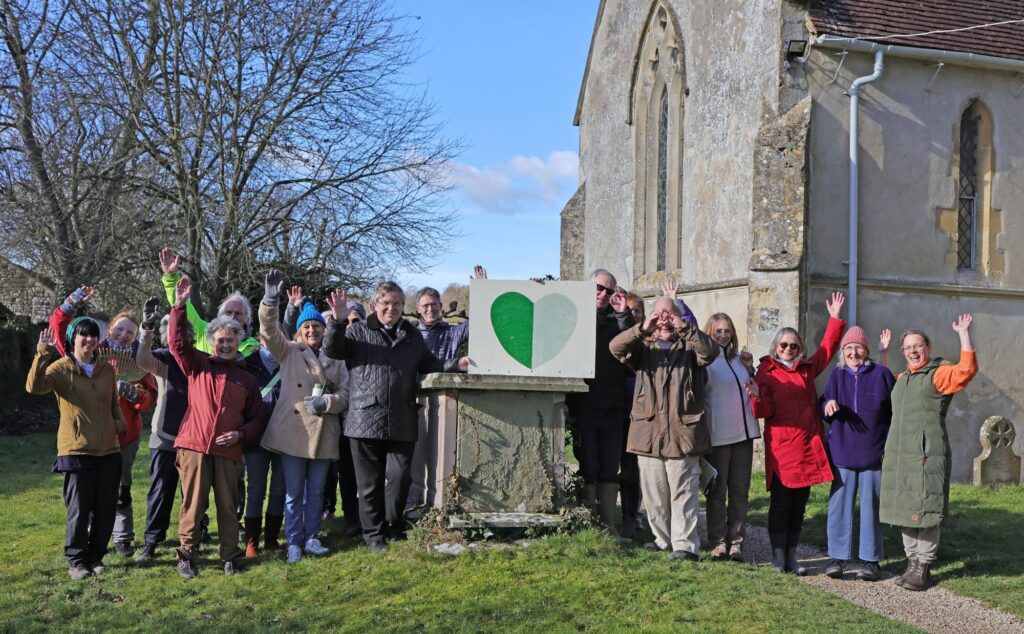
Environmental action
Explore resources to help you take environmental action at home church and community.
Creation care as Christian mission
The fifth mark of mission states that as Christians, we are ‘to strive to safeguard the integrity of creation, and sustain and renew the life of the earth.’ This planet is in crisis. Climate change, pollution and biodiversity loss are threatening life on earth. The science has been clear for a long time – the world is on the brink, and it is humanity’s exploitation of the earth and its resources that have led us to this point.
But it’s not too late.
The fifth mark of mission recognises that environmental issues and the state of the earth are not just the responsibility of scientists, ecologists, conservationists or so-called ‘eco-warriors’. They are an integral part of what it means to be a Christian. As followers of Jesus, we are commanded to love God and to love our neighbours as ourselves. To love God is to love all that he has made and created. And to love our neighbours as ourselves is to ensure that our actions and decisions are a force for good, not harm.
We cannot show love to God and neighbour without acting for the good of creation.
Learn more about the fifth mark of mission as part of a new online course exploring all five marks, now live on the Learning Hub.
How are we responding in the Diocese of Oxford?
Since declaring a climate emergency in March 2020, as a diocese we have committed to becoming an Eco diocese, working through the awards with an aim to achieve silver by 2026. This encompasses every aspect of creation care, thinking about our policies, training programmes, procurement, investment, building and land management, and wider engagement with churches and communities through Eco Church.
What can I do?
Responding to the climate emergency can feel complex, challenging, and often unaffordable. There are many different – sometimes conflicting – messages, but here are four ways you can respond.
Enrol onto our new ‘five marks of mission’ course on the learning hub. Watch this video series from the Lausanne Global Classroom. Visit our EcoHub for book recommendations, courses and factsheets. Listen to our podcast.
Prayer is at the heart of Christian worship. Regularly praying for the environmental crisis, for those affected, for world leaders, and for local action, is vital. We have a Prayer Calendar for Creationtide. Also, use this monthly prayer resource from ‘Pray and Fast for the Climate’, follow Christian Aid’s daily prayer diary or sign up to Tearfund’s prayer email.
More than 60% of the change required to get to net zero involves personal behavioural change by individuals and communities in the three areas of transport, home heating and diet. Try these nine ways to care for creation, pledge to Take the Jump, or participate in Count Us In for ideas that make a real difference.
One of the biggest ways we can bring about change is through conversation. Whether speaking to family, friends, community leaders or politicians, advocating for the planet, and for people affected by climate impacts, drives change at a societal level. Download this guide on having climate conversations, or receive use these resources to help engage with your MP. Several churches are hosting screenings of the People’s Emergency Briefing film. A resource pack for churches doing so has been produced. Read more here.
Common Ground: Conversations on faith, climate and creation

Bishop Mary talks to people from our Diocese with expertise in different topics in a series of six conversational podcasts called Common Ground. Listen on Spotify (no account needed) or find them on Apple Podcasts. Those featured are Professor Chris Merchant on his work in ocean and climate observation and how faith can shape responses to environmental challenges; Farmer Henry Astor on farming well and how local can communities reconnect with the land; Dr Mike Moorcroft on climate resilient habitats, rewilding, and nature recovery alongside food production; the Revd Canon Janet Binns on the impacts of Hurricane Melissa on Jamaica and the Cayman Islands and their resilience; broadcaster Krish Kandiah on offering sanctuary in a world shaped by conflict, displacement and climate change; and Rachael Orr on having meaningful conversations on climate change.
To be inspired further by churches, schools and people caring for creation across the diocese watch this short video and read these stories.
Several churches are hosting screenings of the People’s Emergency Briefing film from the National Emergency Briefings. A resource pack for churches doing so has been produced. Read more here.
You can also visit the pages below for more ways your church can respond to the climate and ecological crises.
Find out more about Eco Church
Over thirty percent of our churches are registered with the Eco Church scheme.
Find out more about Energy audits
Energy audits help churches become more efficient and welcoming through modern technologies
Find out more about Net zero carbon
The Diocese of Oxford is committed to reaching net zero carbon emissions by 2035
Find out more about Biodiversity
Churchyards offer essential green spaces and habitats for many endangered wildlife species
Find out more about EcoHub
Your one-stop shop for information, practical advice and theological reflection on how we can best care for God’s creation.
Find out more about Support and guidance
Guidance on the best ways individuals and churches can be caring for creation.
Related news and stories
‘I wish we didn’t have Black History Month’
Milton Keynes service celebrates Black History Month
Churches are beacons of hope

National drive to welcome Hong Kong Christians in churches launched
Worship inspired by cultures from around the world
Reflecting on racial justice
Bridging divides – how to have difficult conversations
Bishops respond to rise in ‘Christian nationalism’
Archbishop of York among delegates at Revd Polly’s racial justice workshop
