
Care for Creation as the Church Family
Alison Riggs, Environment Action Delivery Coordinator, explores how our church families can engage in positive change.

Our link dioceses enrich our work and worship across Berkshire Buckinghamshire and Oxfordshire
Our relationships with our link four dioceses bring rich blessings to our work and worship here in Berkshire, Buckinghamshire and Oxfordshire.
These links are characterised through the relationships we are building with people across nations and cultures, and the discernment of how we can serve Christ through our common commitment to the five marks of mission. In practice, this looks like a wonderful array of opportunities to learn, share, worship and gather together; offer mutual support; and pray for one another. Genuine friendships have emerged, among clergy, diocesan staff and between parishes, friendships which we continue to nurture.
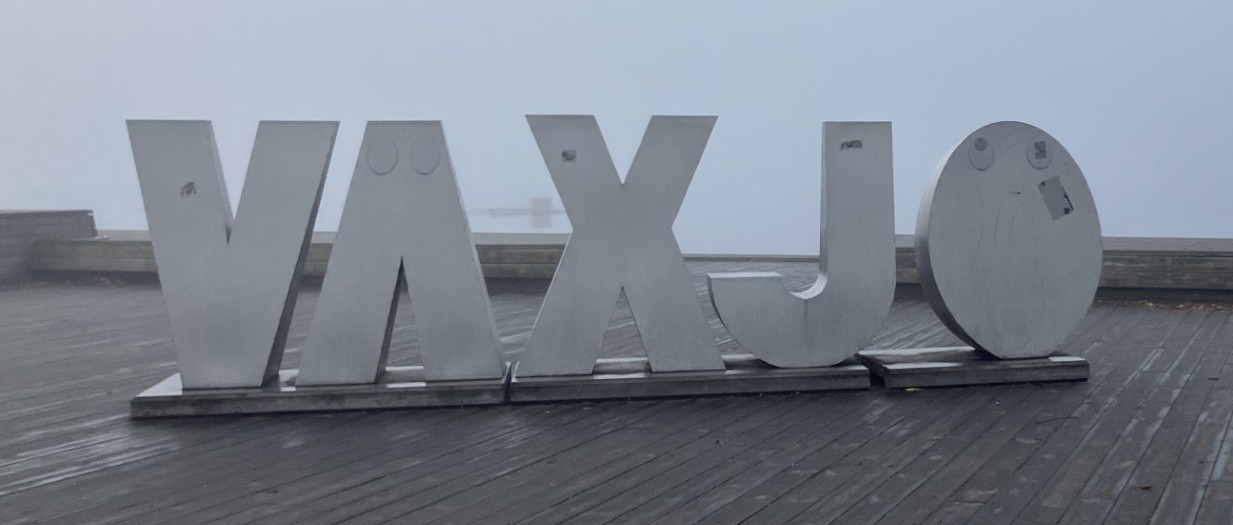
This Creationtide our Environment Programme Manager Hannah Mann visited Vaxjo in Sweden. Both dioceses started on a journey of creation care at similar times; in Vaxjo, the first letter from the Bishop came in 2014 and was later renewed in 2019, urging the Church of Sweden to respond to the climate and nature crises. In Oxford, we began our own journey in earnest in 2018.
Both dioceses are facing similar challenges; how to engage parishes in creation care and eco-theology; how to address the challenge of decarbonising our complex estates; exploring our role in climate resilience; and ensuring we play an active role in issues of climate justice. As two nations with extensive coastal areas, differing weather patterns in the north and the south, and a mixture of urban and rural settings, there is an enormous amount we can learn from one another.
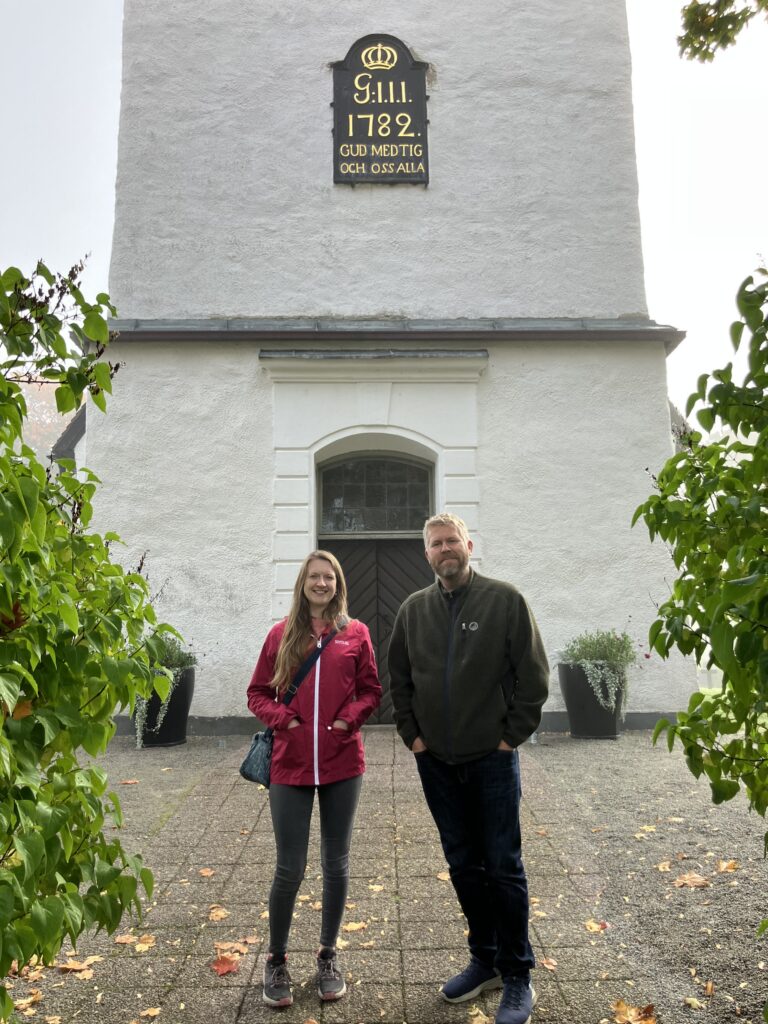
Hannah reflected on what she’d learnt from her trip: “I was hosted by my wonderful counterpart, Sara Nodmar, who is the climate strategist for the Diocese of Vaxjo.
“Their approach to tackling carbon emissions is much more holistic than ours, with a big emphasis on procurement and travel-related emissions. I was inspired by their approach to travel; they have introduced a small electric vehicle fleet which is extensively used by diocesan staff for trips to parishes around the diocese.
They also have grants available for parishes to install their own EV charge points of e-bike lockers and service points. I also learnt how they are calculating procurement-related emissions and are considering how we might adapt this to our context.”
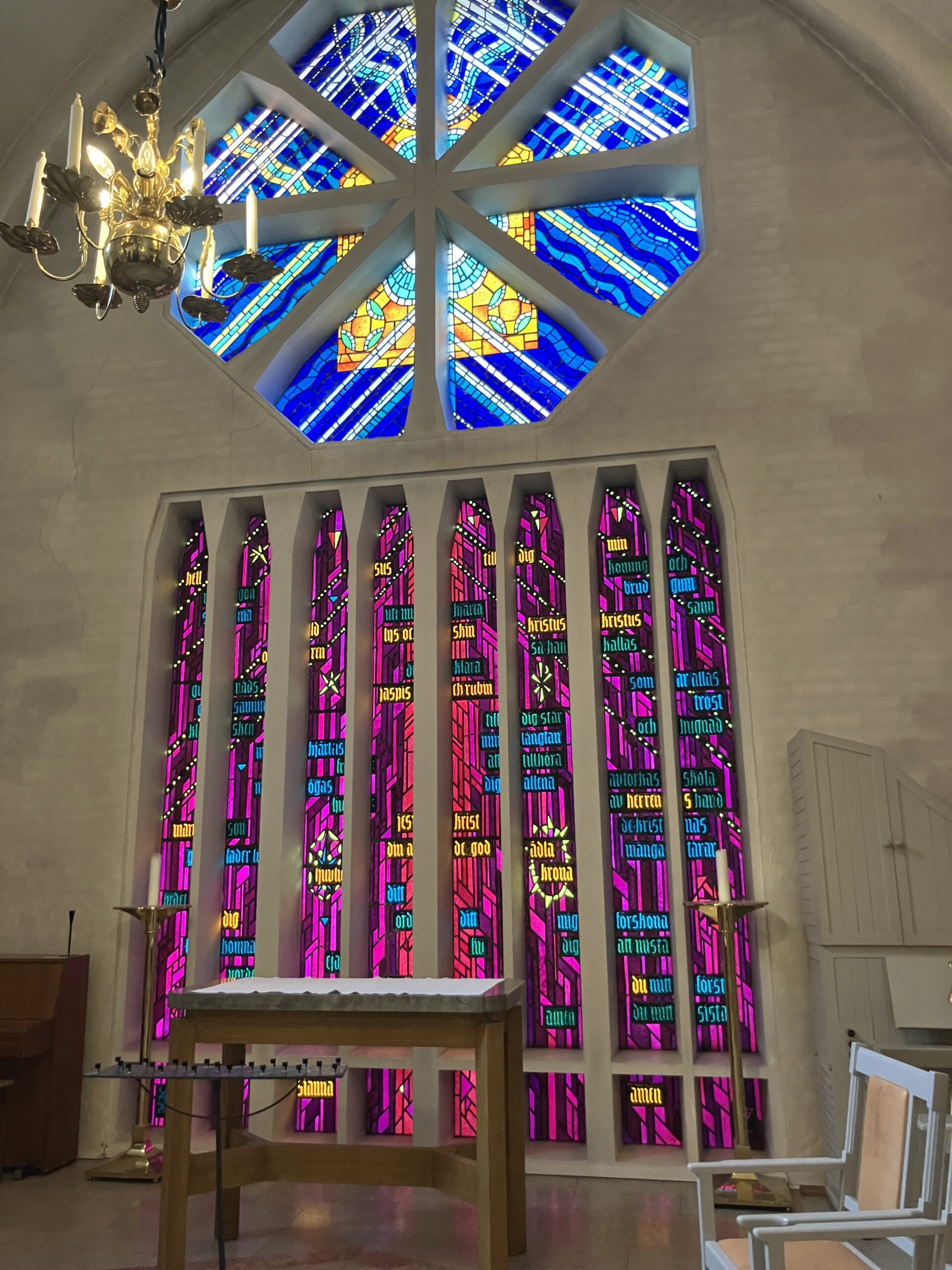
Hannah describes the trip as a “whirlwind of beautiful places and welcoming people, fika, lakes, conversations and cafes”. She visited a parish church to hear about the changes being made to become more environmental and sustainable; and then a churchyard to see for herself the support their policies give to wildlife there. Time with diocesan officers followed the next day, including discussions around climate risk mapping, net zero, eco-theology, Sweden’s Climate Roadmap, and the absolute commitment from the Bishop to this agenda.
Reflecting on what she expected to find in Vaxjo and what she did, Hannah said: “Before I left, admittedly I was most looking forward to the landscape – the trees, lakes and clean air that I had learnt so much about.
“But of course, the thing that I have brought back is the relationships.
“I was surprised by the similarity of so many issues – beyond creation care into things such as migration, social division, and poverty and inequality. And I have been inspired by the way in which creation care is truly embedded within all that Vaxjo as a diocese does, something that I hope I can learn from and apply here in Oxford.”
Alison Riggs, Environment Action Delivery Coordinator, explores how our church families can engage in positive change.

As extreme weather becomes more familiar, churches are finding practical and hopeful ways to respond. Hannah Mann, Environment Programme Manager, explores…
The Elisha Project is a national initiative to resource and empower a new generation of science and environmental theology educators…
Climate change is one of the defining issues of our time. Yet for many people, it can also feel like…
When conversations about migration become increasingly polarised, how should Christians respond? That was one of the questions explored by best-selling…

What does climate change mean for nature? Can conservation and farming work together? And where can we find hope when…
What does it mean to farm well in an increasingly globalised world? And how can local communities reconnect with the…
As we mark World Environment Day, we share an extract from the first episode of Common Ground, a new podcast…
More than 100 Christian leaders have signed an open letter raising concerns about climate misinformation on GB News. The letter…

On Valentine's Day Aston Tirrold hosted local champions for change and organisations to show their love for nature. Representatives from Astons Outdoors, the Churn Benefice, the Springline Project, and Bioabundance came together at…