Krish Kandiah: Why the Church must not let politics rewrite the gospel
When conversations about migration become increasingly polarised, how should Christians respond? That was one of the questions explored by best-selling…

The Diocese of Oxford and Christ Church Cathedral have marked Gypsy, Roma and Traveller History Month with a events celebrating heritage, building understanding and strengthening relationships with local communities. Centred…
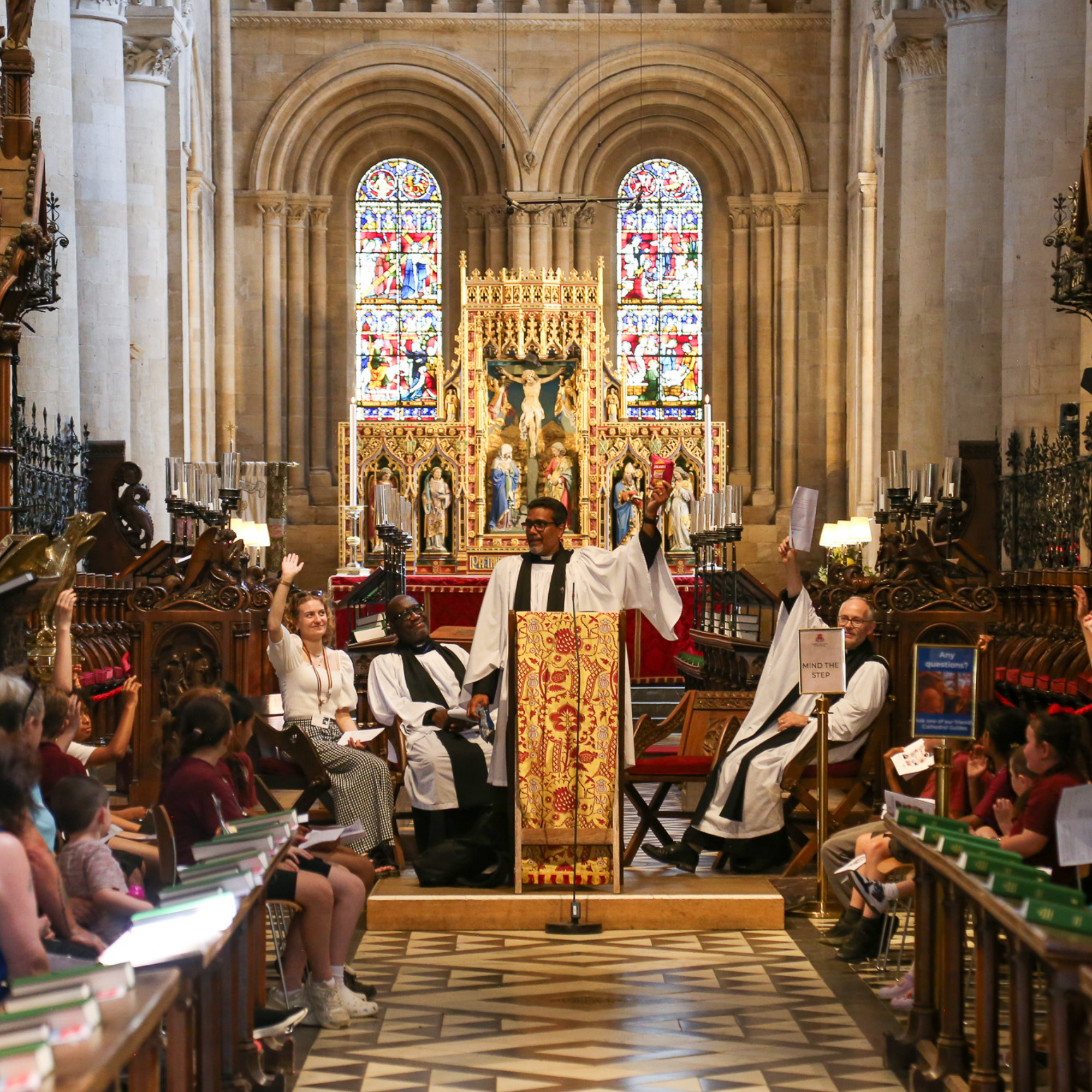
The Diocese of Oxford and Christ Church Cathedral have marked Gypsy, Roma and Traveller History Month with a events celebrating heritage, building understanding and strengthening relationships with local communities.
Centred around the theme Onward with Hope, the programme included a special service at Christ Church Cathedral and community events in local churches, creating opportunities to celebrate Gypsy, Roma and Traveller culture while reflecting on the discrimination these communities continue to experience.
The cathedral service brought together local primary school children, including some from Traveller backgrounds, who played a central role in leading worship. Children sang songs about hope and togetherness, read Bible passages and led prayers, while clergy shared reflections on Jeremiah 29:11, 1 Corinthians 12:12–27 and Mark 12:30–31.
Their reflections spoke of God’s promise of hope and a future for all, the call to love our neighbours by standing up for one another, and the beauty and importance of our diversity.
It was particularly significant that, although living not far away, some parents of Traveller children attended the cathedral for the first time. Alongside the service, families had the opportunity to explore the cathedral, visit the shrine and reflect on the shared significance of pilgrimage within both cathedral life and Traveller traditions.
Hannah Ling, Social Justice Advisor for the diocese, reflected:
“The families spoke warmly of the experience, noting that they had never before attended a church or school event celebrating Gypsy, Roma and Traveller heritage, or seen a performance centred on Gypsy and Traveller stories. Hosting the event in such a historic and sacred setting felt both powerful and affirming.”
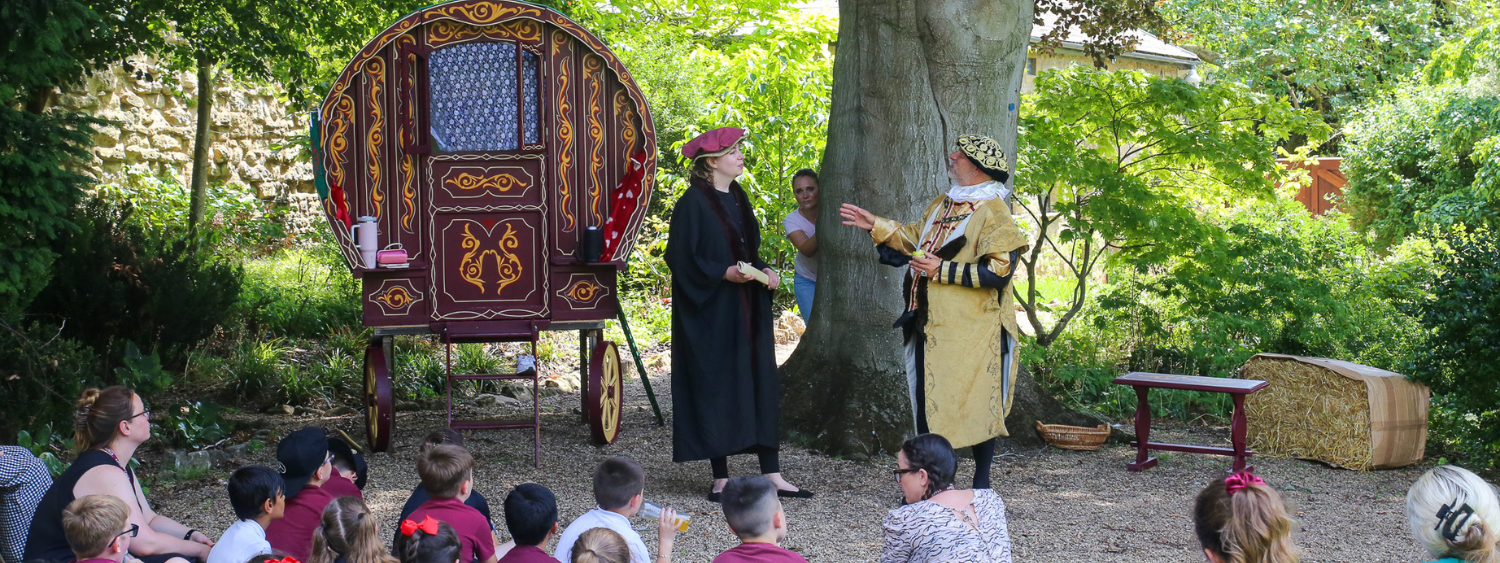
 The afternoon continued with a performance of Crystal’s Vardo in the cathedral gardens. Created by the charity Friends, Families and Travellers, the production explores Gypsy and Traveller history, culture and identity while highlighting the prejudice and discrimination many communities have faced across generations.
The performance was enthusiastically received by the children attending. At its conclusion, several Traveller children asked whether they might create a play of their own, sharing their stories and celebrating their heritage. Organisers described this as a fitting reflection of the day’s theme of hope and belonging.
The production had also been screened earlier in the month at St Sebastian’s Church, Wokingham, where members of the congregation and local Gypsy families gathered for an evening of discussion and learning.
Following the screening, attendees shared refreshments and took part in open conversations about history, culture and lived experience, helping to deepen understanding and strengthen relationships between communities.
Charlotte, a member of the Gypsy community who attended the screening, said:
“The ‘Crystal’s Vardo’ drama was a great little snippet into our past and where we originated from. It showed how there’s accepted racism and how it was created towards us just by following ‘hearsay’.
“We could relate to how the girl, Crystal, felt as well as us as adults, but also our children today. Thank you for helping non-gypsies understand a bit more and get the conversation going.”
At the event, the Revd Rickey Simpson-Gray also spoke about the importance of hospitality, inclusion and building relationships with Gypsy, Roma and Traveller communities. He said:
“If we are to fulfil one of the greatest commandments, ‘to love our neighbour as ourselves’, then it means reaching a diverse ministry too through hospitality as well as being accessible.
“There is more to be done to tackle discrimination and racism, but it is events like this that enable us to understand and celebrate each other better.”
Use our new Gypsy, Roma, & Traveller Communities Toolkit to learn more about who these communities are, the discrimination they face, and how your church can become more welcoming and inclusive.